Kentucky Lake Legacy

After a particularly devastating flood on the Tennessee River in 1937, the Tennessee Valley Authority (TVA) announced a new building project which would have far-reaching effects on the river and the area through which it flowed. Kentucky Dam would help control flooding on the river, facilitate commercial traffic, and provide a highly desirable recreation area called Kentucky Lake. The downside? The dam would raise the water level by 55 feet, flooding much of the current shoreline and forcing communities along the river to abandon their homes, farms, businesses and infrastructure to relocate farther from the river’s edge. Many of these things were destroyed before the dam was opened in August of 1944. Others still exist far underneath the surface. And one, the Old Danville Grain Elevator, rises above the surface as a legacy to the city that was once its home.
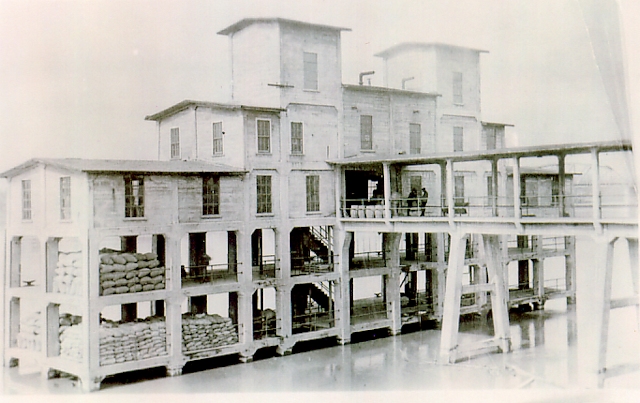
The Danville Grain Elevator, also know as the Transfer Station and as the Danville Wharf, was built in 1918 by the L&N Railroad. Used to transfer goods between barges and rail cars, its three bottom levels were all open for barges, depending on the water level. Trains docked at the fourth of the six levels and two elevators carried goods from one floor to another. (Photo from http://www.fourriversexplorer.com)

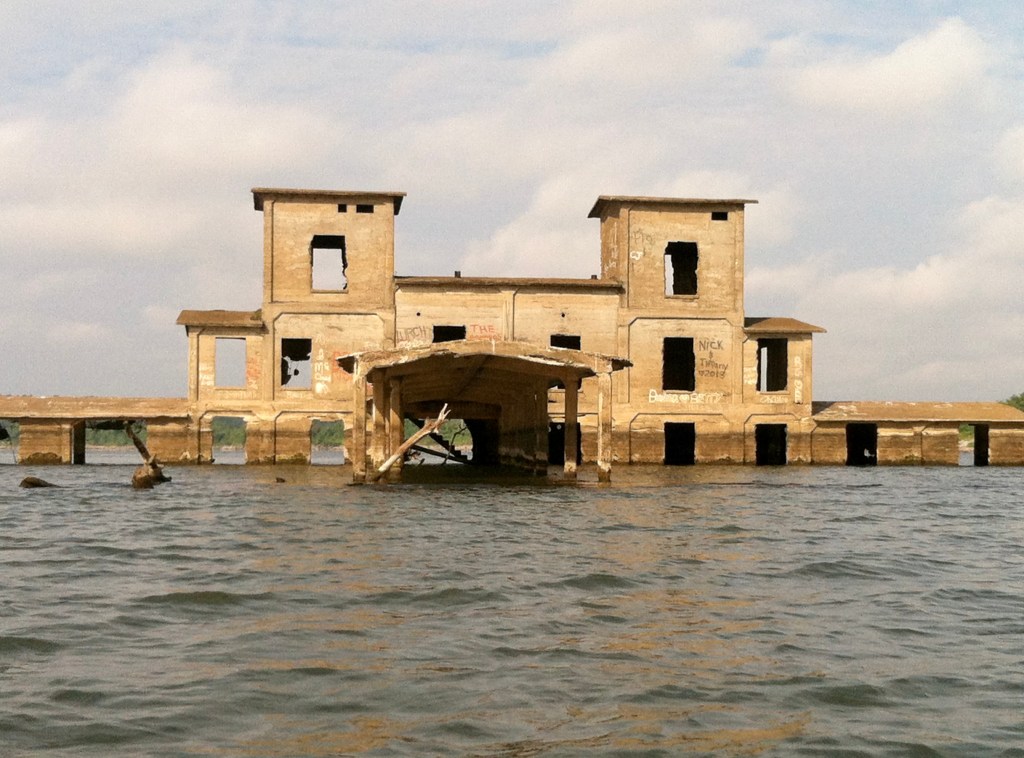
When Kentucky Dam was opened, the TVA flooded entire towns, but left the Transfer Station standing, perhaps because of the prohibitive cost of demolishing such a sturdy structure. Indeed, it has stood, two-thirds submerged, for eighty years, as a curious legacy to its hometown and its lost way of life.
"Catfish forage among concrete pillars 
where riverside barges met trackside trains,
swapped loads of peanuts and cotton,
oak barrel staves and distilled corn."
- Excerpt from "Kentucky Lake Legacy"
in my chapbook, Mississippi Meanderings

Gene and I knew nothing about the grain elevator until we happened upon it, south of the Danville Landing County Park, where we’d camped for the night. Imagine our surprise to find the top two graffiti-covered floors of a building like this standing like a sentinel out near the middle of the lake! Later, we were just as intrigued by its interesting history. Thank you for stopping in today to read the story of its legacy!

If you’ve already ordered a copy of Mississippi Meanderings, thank you! If you would like to read more poems about our impressions of this amazing river system, you can order your advance copy from Finishing Line Press here until May 31st. Books ordered during the presale period will be sent the week of July 26th, the book’s official release date. It will also be available after July 26th at the Finishing Line Press website, on Amazon, from me, or from an independent bookstore near you.

Gratefully, Barb
Stuck on a Stump

Kayaking any river for a length of time, you’ll undoubtedly come up with a list of things you try to avoid. You might think that locks and barges would be on this list, but we had no trouble with either of these. Number 1 on our list turned out to be rapids. We learned rather quickly that rushing water and sharp rocks don’t get along well with a wooden hull. Underwater hazards probably ranked a close second. These included both wing dams (rows of rocks piled up underwater to direct the current toward the channel) and stump fields.

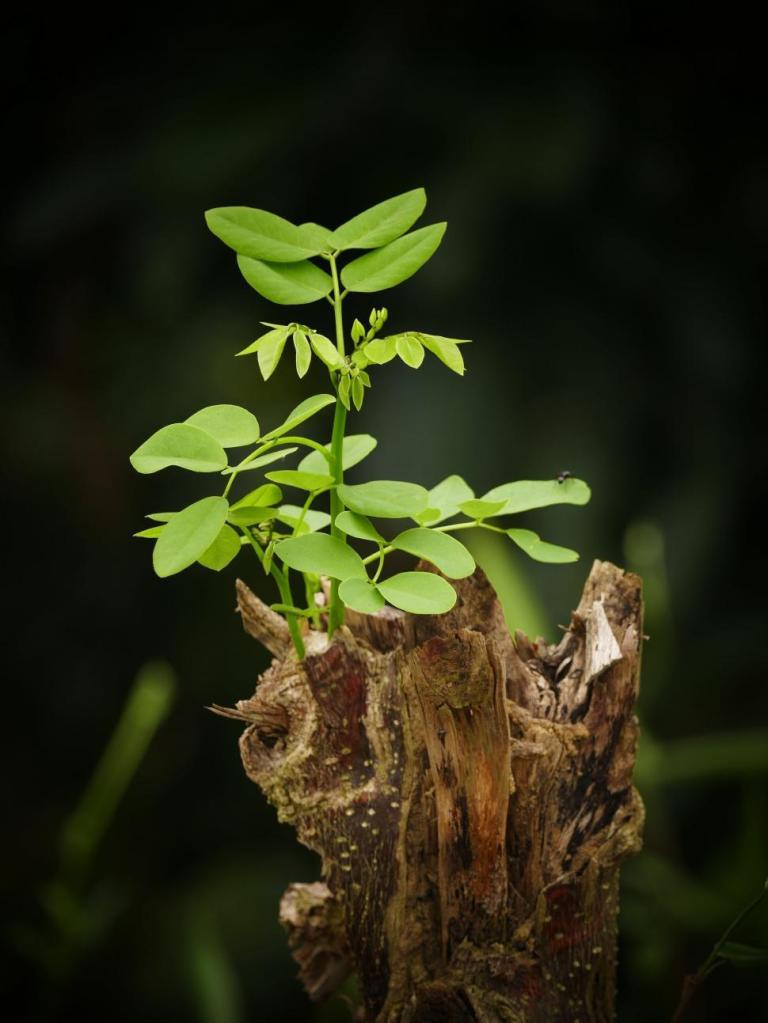
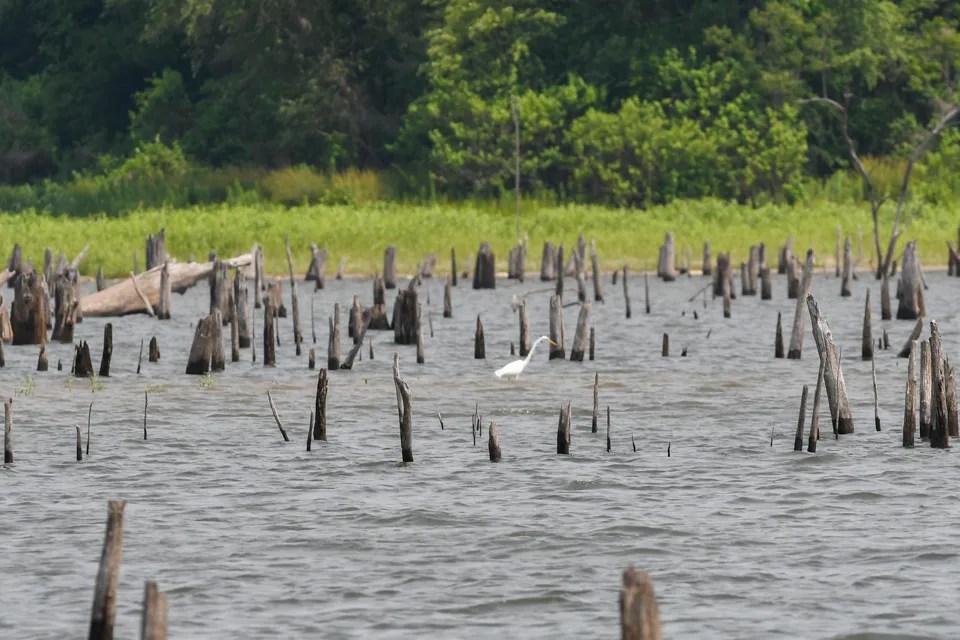
Stump fields are often the remains of floodplain forests that have been cut down before areas in a river or lake were flooded. Other fields were made by trees which died and broke off, either above or below the water level. Sometimes, trees were even cut near the surface, to clear an area or a bay. Underwater, the stumps serve as shelter for fish and are often angling hot spots. But regardless of their origin or benefits, stump fields can be a navigational challenge for motor boats, canoes and kayaks alike.

One stump field on the Tombigbee River, just south of Fulton, Mississippi, gave us a particularly memorable moment: one frustrating experience that has become funnier with each retelling. Invited to stay overnight with the Joe and Victoria Blake, a couple we met at a Bible study, we picked our way between the shore and stump-filled bay, to their dock. After a lovely dinner and visit, Joe took us to their upper-floor deck and pointed out the route to safely paddle through the bay to the main channel in the morning. “We used to tie ribbons to the stumps to help us get through,” he said, “but now we don’t need them, and we appreciate the privacy.”

The next morning, we realized that the route was far easier to see from above than from river level. Where were those ribbons, now? We were surrounded by tree stumps, some several feet above the surface and others barely visible below. Foliage sprouted from the stumps like flowers in pots, but we had no time to appreciate the beauty. I steered and Gene kept an eye out for danger lurking under the surface. All of a sudden, we lurched forward, as the boat under us stopped. We were stuck. In the midst of an unfamiliar landscape, we were stuck on a stump, like a scarecrow on a pole.

"How did we get here, high and dry,
in the middle of a stump field bay?
Submerged tree trunk under our hull,
looks like we're here to stay."

- Excerpt from "Stuck on a Stump" in the collection,
Mississippi Meanderings, to be released July 26, 2024

Don’t worry. We did manage to find our way out of the predicament and back to the river. Years later, though, I couldn’t resist preserving the memory with a humorous rhyming poem in the style of Shel Silverstein, one of my favorite poets. I hope you’ve enjoyed this peek into one of our most embarrassing moments! The entire story of this and many other adventures on the river can be found in Paddle for a Purpose, the memoir of our journey. (These photos are stock images, but the Blakes are sending me some shots of their actual stump field. I realized, after the trip, that we took far too few photos of tense and embarrassing situations. Human nature? Perhaps.)

If you have already pre-ordered a copy of Mississippi Meanderings, thank you. I appreciate your support! If you’re interested, you can order here until May 31st at the reduced price. Your pre-order purchases help determine my royalty percentage for future sales, so please consider ordering a copy for yourself, a poet you know, or a nature-loving friend.

Next week, the story of Kentucky Lake and of an oddity the likes of which you probably haven’t seen…the old grain elevator from the flooded town of Danville, Kentucky. Gratefully, Barb

Pearl Buttons

I love to read the stories of immigrants who came to America with little but a set of skills, and a dream of the opportunity to use them to create a new future. Indeed, most of us are descendants of immigrants, with our own fascinating stories in our family trees. My great-great-grandfather, Christian Frederick Mueller, was schooled in the Black Forest of Germany and trained as a baker. He immigrated to America in 1866, at the age of 27. With only a recipe and a three-wheeled pushcart, he began a business selling hand-made noodles from house to house, billing them with the slogan, “As a change from potatoes.” By the time Christian handed the business on to his three sons in 1915, his factory covered four acres and had its own power plant, railroad siding and fleet of trucks to transport Mueller’s pasta near and far. This may be one reason why I was intrigued and touched by the story we learned of the little Mississippi River town of Muscatine, Iowa and the man who made it famous throughout the world.

"From Germany he comes, in Iowa he settles,
button-making skills and tools his luggage,
intention and hope his companions."
- excerpt from "Pearl Buttons,"
a tribute to craftsman, John Boepple

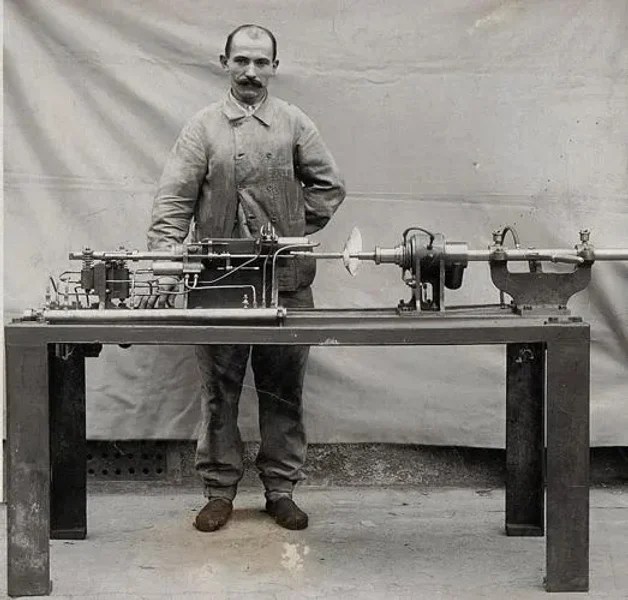
John Frederick Boepple made buttons from ocean shells, horns and antlers for the family business in Germany. When tariffs threatened the profits. he immigrated to America in search of shells like the ones his father had been sent from an area near Chicago. He finally found mussels with the thick, iridescent nacre he wanted. He settled in Muscatine, Iowa, where he and financial partner, William Molis, opened the Boepple Button Factory, the world’s first pearl button plant. Photo from http://www.notesonIowa.com

Over the next several years, Boepple updated the technology used in his manufacturing process and the business flourished. The success of this first plant, a plentiful supply of mussels, and a worldwide market for the lustrous buttons created a perfect environment for the industry to expand. By 1897, 300 “clammers” harvested over 3500 pounds of mussels from the river each year to supply 53 button-making shops in Muscatine alone. And by the early 1900’s, Muscatine produced 1.5 billion mother of pearl buttons each year, achieving fame as the Pearl Button Capital of the World.

John Boepple could no longer compete with the industry he created. He took a job selling shells to other companies, but worried about the detrimental effects of over-harvesting. In 1910, he began to work at the Fairport Biological Station, a research facility of the Bureau of Fisheries created by Congress two years earlier. There, Boepple helped to study the breeding of mussels and develop sustainable harvesting techniques.

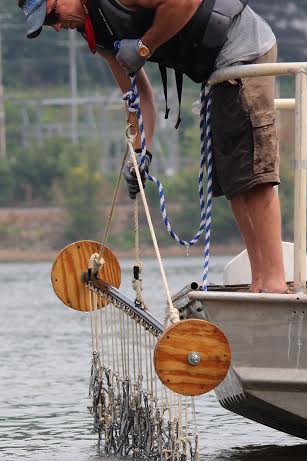
Photo by Constancia Roling, showing Mississippi River clamming, 2013

Thanks for stopping by to hear about John Boepple and read a snippet of the poem I wrote as a tribute to him. His story was irresistible and begged to be told through a poem. In fact, this poem nearly wrote itself. I hope you can glean some inspiration from the story in either of its forms. Next week, I’ll share the story of a mishap Gene and I encountered in a stump field. Although it wasn’t very funny at the time, it’s gotten more so in the retelling. It’s also perfect material for a humorous poem in the rhyming style of one of my favorite children’s poets, Shel Silverstein! You won’t want to miss “Stuck on a Stump!” Gratefully yours, Barb

Locks and Dams: Stairway of the Upper Mississippi

On the Upper Mississippi, there’s a 420-foot drop in water level between St. Anthony Falls, Minnesota and Granite City, Illinois. In 1930, the locks and dams were built to help control all that flowing water, making it navigable for river traffic, including barges transporting goods up and down the waterway. The dams divide the upper river into pools of different elevations and the locks work like water elevators, lifting and lowering boats and barges to the level of the next pool. They sure are an engineering marvel! Other than opening and closing the huge metal doors, every process is powered by Mother Nature’s laws of physics.

Paddling up to one of the 29 gargantuan locks on the Mississippi River can be awe-inspiring, if not intimidating. My reaction was most often one of awe. As Gene and I approached each one of the 26 locks we traveled through, we gaped in awe at the huge walls and metal gate, pulled the cord to signify our presence, and waited eagerly for the ride.

As fascinating as it can be, I’ll to warn you: going through a lock can have its eery moments. Come along with us. You’ll see what I mean! The gates open, inviting us in. It’s an easy paddle. The water level inside the lock is the same as our upstream pool. Once inside, we see the exit gates to the lower pool far ahead. The size of the enclosure is typical: 600 feet long and 110 feet wide. At 20 feet long and only 30 inches wide, our kayak is dwarfed. We glide close to the wall. The lock and dam operator leans over and throws us each a line. I hold mine loosely in one hand, the other bracing a paddle against the wall to keep us from scratching the side of our wooden boat.

"Somewhere deep below, a valve opens,
drains our super-sized tub, baring water-dyed walls.
Damp line slides through my fingers, inch by inch.
Foot by foot, we descend further into darkness."
- Excerpt from "Locking Through" in my chapbook, Mississippi Meanderings

This drop is about 16 feet, much less than our largest drop of 38 feet at Lock #19, near Keokuk, Iowa. In the shadow of the damp wall, I feel, rather than see, the goosebumps appearing on my arms. A minute later, I hear the blare of an airhorn and the gates open to the downstream pool, freeing us to paddle into the warm sunlight again. As we head out into our new pool, I hear Gene say, “That was a lot easier than a portage!” I remember carrying and sometimes wheeling our kayak and our gear up hills, along trails, and on the side of the road to avoid dams or dangerous rapids up in the headwaters. Yes indeed, locks are easier, by far!

Thanks for showing up to sample another of my poems from the new chapbook. If you’ve ordered a copy during the presale period, thank you! If you’d like to, you can get it here at http://www.finishinglinepress.com. Books will be sent out the week of my launch date, July 26th.

If you haven’t heard the tale of the little city on the Mississippi named Muscatine and how it came to be known as the Pearl Button Capital of the World, you’re in for a treat. Stop back next week, for a story and a snippet of the poem, “Pearl Buttons!” Best wishes always, Barb

Bald Eagle Comeback

I clearly remember when bald eagles were finally added to the Endangered Species List in 1978. In school, we had learned for years about the declining eagle population and tracked the data on the numbers of nesting pairs remaining. We were concerned to see, firsthand, the effects of habitat destruction and the consequences of widespread use of the insecticide DDT. Sad as it was, the listing helped serve as a wake-up call. Several amendments had already been added to the Bald and Golden Eagle Protection Act of 1940 and its enforcement became stricter. Being officially on the list extended the extra protection of the Endangered Species Act of 1973 to bald eagles. In addition, the U.S. ban on DDT and the DNR bald eagle recovery programs in many states contributed greatly to a population rebound. In 2007, the bald eagle was officially removed from the national list of endangered species. Strict regulations are still in effect, however, to ensure their recovery will last.

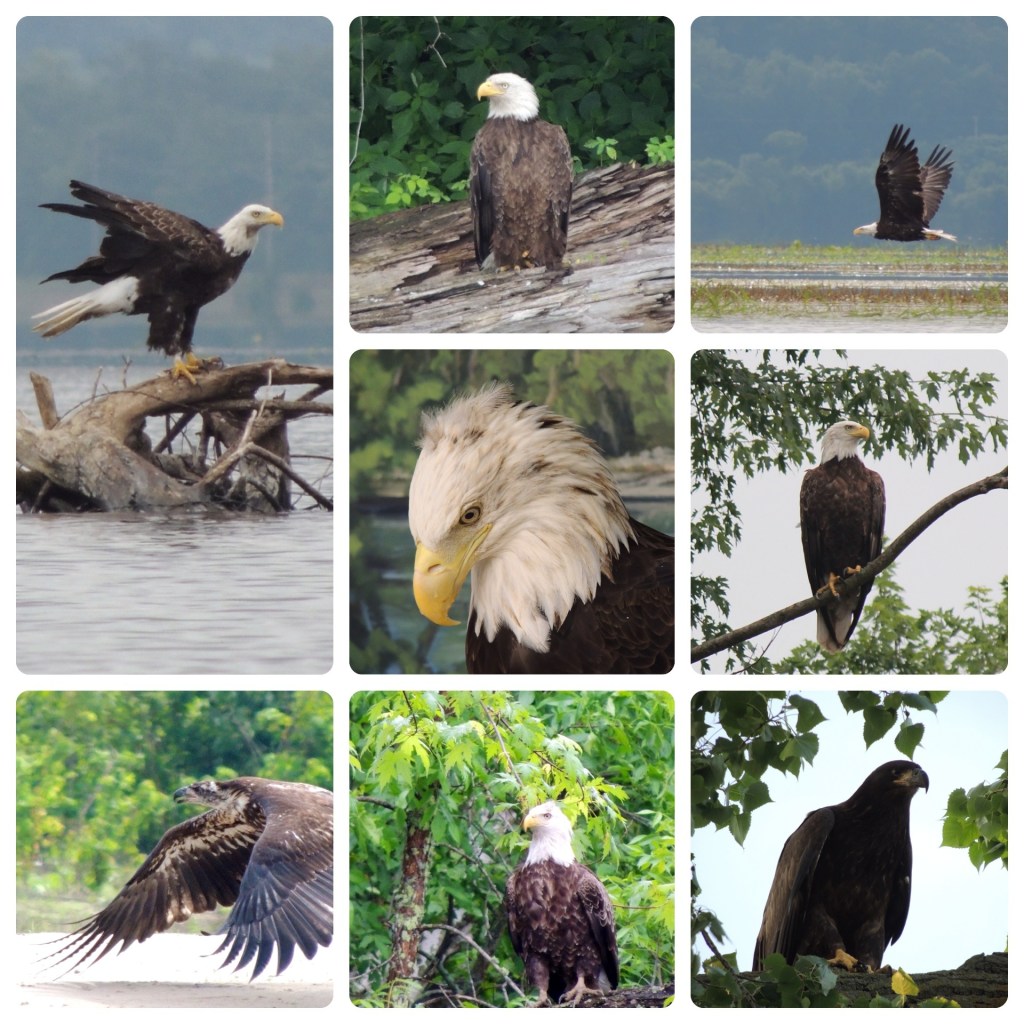
As we paddled the Mississippi, we were comforted by the number of bald eagles we witnessed, especially in the states of Minnesota, Wisconsin and Iowa. Each eagle sighting was awe-inspiring: in trees along the river, soaring on air currents, watching us from on high at a campground, skimming the surface of the water, or standing on a stump in the shallows, searching for a meal (as in the case of my poem, “Stump Field Fishing”).

"Curved talons grip gnarly roots,
arched in tangles above surface ripples.
Muscular wings rise, spread for balance,
reveal baggy feathered shorts,
legs surprisingly sturdy and tall."
- Excerpt from "Stump Field Fishing"


In Wabasha, Minnesota, we had a chance to tour the National Eagle Center, right along the shores of the Mississippi River. If you haven’t visited yet, you may wish to add it to your bucket list. We listened to an informational talk about bald eagles, which taught us about their sizes, ranges, diet, habits, and vocalizations. We got to see a variety of exhibits, including a scale model of a bald eagle’s nest, which we were allowed to explore. Designed for families, there was something for everyone to learn and see. One of the most interesting things for me was meeting and learning the rescue story of each of the Bald Eagle Ambassadors who then lived at the center. Currently, there are three adult bald eagles, one juvenile eagle, and a red-tailed hawk. In addition to offering visits like ours, the National Eagle Center schedules tours, field trips, eagle watching outings and even river cruises. You can learn more about them at their website, www.nationaleaglecenter.org.

I hope you have been enjoying a sampling of the poems in my new chapbook, Mississippi Meanderings. I’m currently working on a free, downloadable discussion guide for the book with background information, discussion questions and writing prompts. I’m hoping that it will be helpful for readers and writers, as well as for book club discussions and school presentations. Stay tuned! Next week, I’ll post about being the only boat (as we often were) going through a concrete lock over a thousand times our size!

If you have already pre-ordered Mississippi Meanderings, thank you. If you want to wait, or just aren’t interested in poetry, no problem! Feel free to pop in and read all these stories anyway! But if you’d like to order a copy before May 31st, you can do so at www.finishinglinepress.com. Best wishes as always, Barb

Pig’s Eye Island Heron Rookery

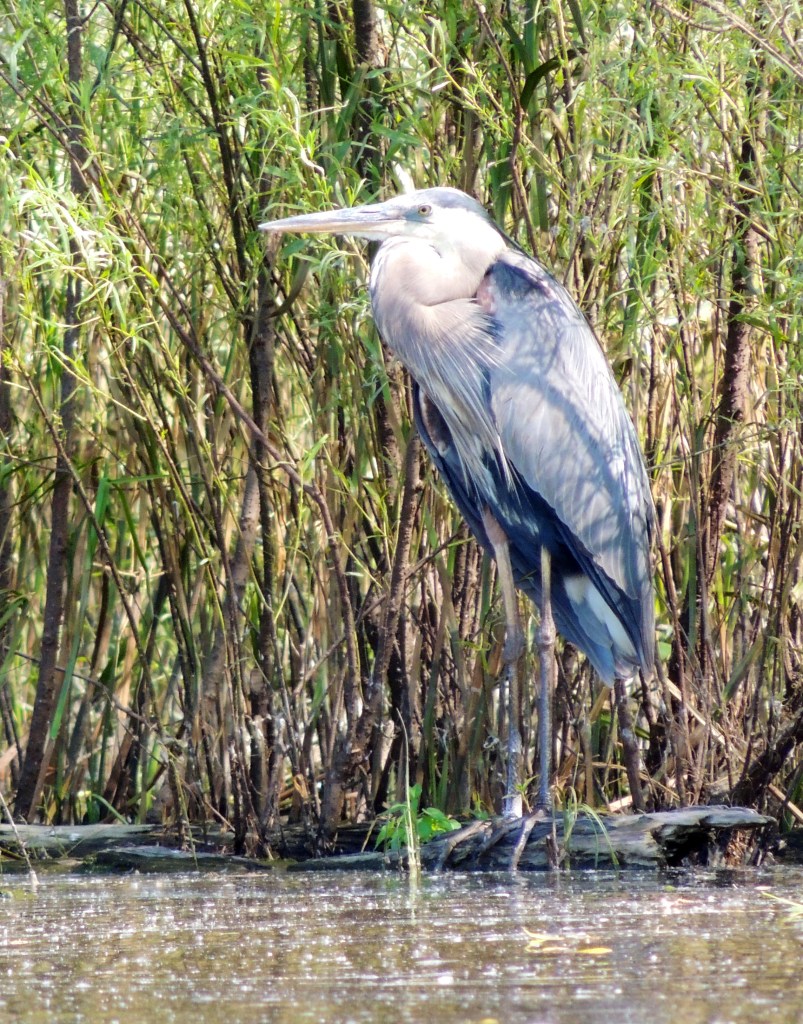
It was in St. Paul, Minnesota where we discovered the hidden gem known as the Pig’s Eye Island Heron Rookery. And by “discovered,” I don’t mean that it wasn’t clearly identified on our map. It was. It just wasn’t a part of our planned route that particular day. But after struggling for five miles to make headway with a gusty southeasterly wind, we checked the map and eagerly ducked into the narrow slough on the lee side of the river.

We found ourselves gliding through the serene waters surrounding one of the largest nesting site sanctuaries in the state. Established as a SNA (Scientific and Natural Area), Pig’s Eye Rookery is accessible only by water. There aren’t any maintained trails or recreational facilities, either. But this floodplain forest provides a perfect nesting habitat for colonial birds like egrets, great blue herons, double-breasted cormorants, pelicans, and black-crowned night herons.

"Silent sentinel stands watch
among wind-blown cattails,
seed heads not yet formed.
Stick legs still, neck stretched taught,
hidden, but for wispy bib feathers
and golden Mona Lisa eyes."
- excerpt from "Pig's Eye Heron Rookery"

It was not until later that I researched the name for the rookery itself. I found it curious that this natural area was named after a man of quite dubious character. Before Minnesota achieved statehood, Pierre Parrant, a French Canadian fur trader, lived in various locations in the vicinity of what is now St. Paul. Blind in one eye, he wore an eye patch on that side. The other eye appeared unique enough that he acquired the nickname “Pig’s Eye” Parrant. In 1838, he made a claim on a tract of land near what was then known as Fountain Cave. The spring inside the cave provided a steady water supply for the still he used to distill alcohol. He built a small shack and tavern, recognized as the “first habitation and the first business house of St. Paul.” He became so widely known that residents, riverboat crews, and even soldiers at nearby Fort Snelling became customers. Area folklore claims that the area was referred to by the name of Pig’s Eye for a time, before a Catholic priest named Lucien Galtier built a small chapel there. Incensed by the lifestyle of the current namesake, he reportedly felt the need for a conversion and chose St. Paul as a more suitable name for the growing village.

"I find it curious, this peaceful place
named for a bootlegging fur trader
who happened to put down roots,
build a still in a cave, sell hooch
to indigenous residents, here before,
settlers and soldiers who came along later."
-excerpt from "Pig's Eye Heron Rookery"

Thank you for taking the time to read the background of my poetry! Come back next week to hear about some of the bald eagles we saw, including one we found doing some fishing in a stump field. If you’d like to order your own copy of Mississippi Meanderings, or a copy for a nature-loving friend, you can visit http://www.finishinglinepress.com or use this link to go right to the page.

Gratefully, Barb

“Heartwaters”

“Children totter over mossy stones.

Clear sparkling water trickles between their toes,

swirls around grown-up ankles below rolled-up jeans.”

Excerpt from poem “Heartwaters” in my chapbook, Mississippi Meanderings

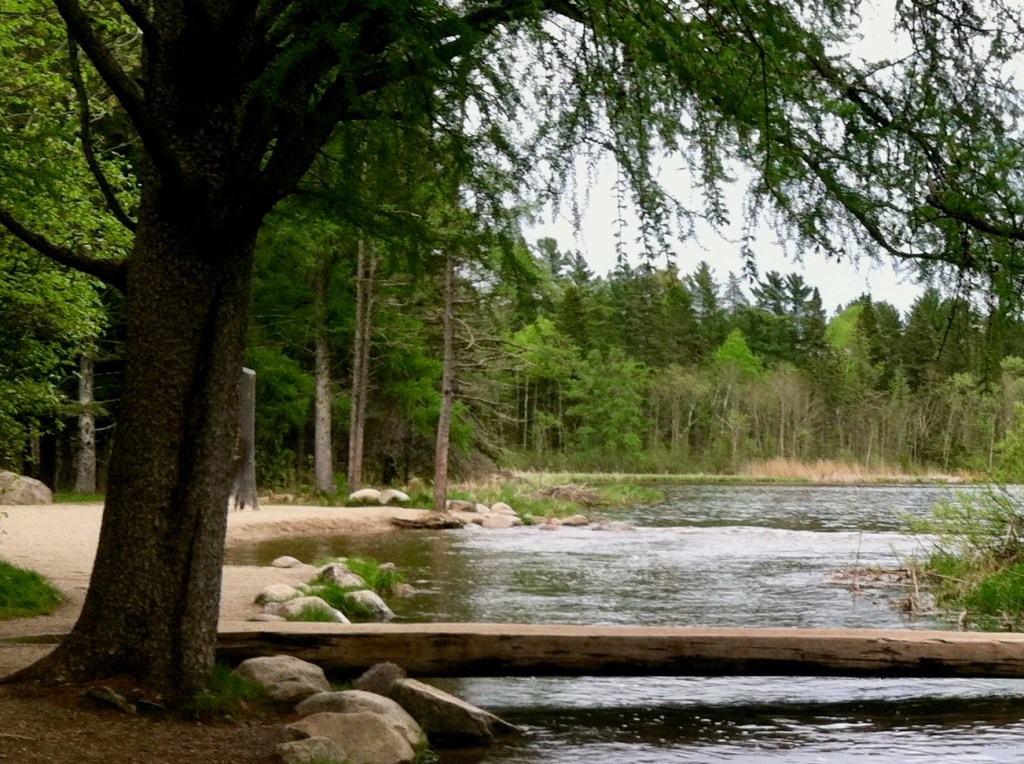
The first time we visited Lake Itasca State Park in northern Minnesota, we came to drop our kayak into the Mississippi Headwaters, where a small clear stream spills out of the northern finger of the lake. It is, indeed, an awe-inspiring sight: the humble birthplace of an iconic American waterway.

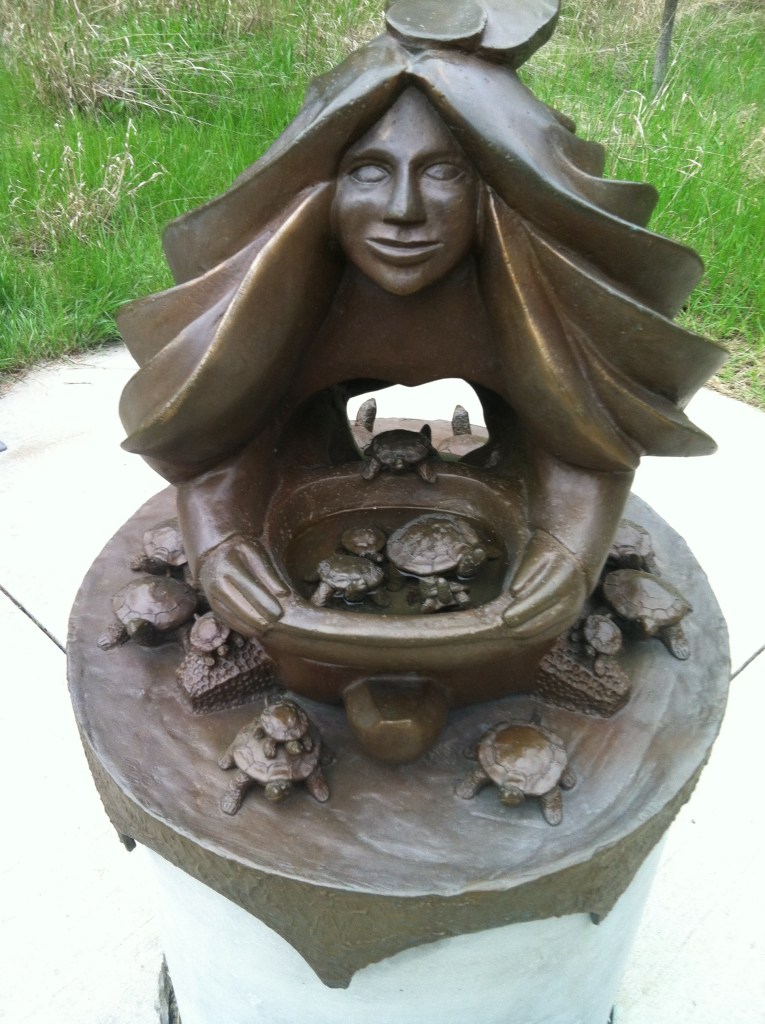
The beauty, significance and evoked emotion of the Headwaters did not disappoint. But what I didn’t expect was the cast bronze sculpture we passed on the short walk to the river’s edge. I didn’t expect its symbolism and message to stick with me through our whole journey down the river. And I had no idea that years later, it would inspire the first of a collection of poems that would gel into a book about the Mississippi, the “heartwaters” of our nation.

This bronze sculpture, created by Anishinabe (Ojibwe) artist, Jeff Savage, is called “Heartwaters – Caretaker Woman.” In Anishinabe culture, women are the Caretakers of the Water. This is sacred work, and we all have a responsibility to respect the waters, preserving this precious resource for future generations. The turtles that Caretaker Woman releases symbolize both water and universal cycles of life.

“Anishinabe woman, born of tradition and bronze,

hair flowing in waves, like the river she protects,

keeps watch over the heartwaters of our nation.”

Excerpt from poem, “Heartwaters” in my chapbook “Mississippi Meanderings”

Mississippi Meanderings is available for pre-order through May 31st. You can use this link to my publisher, Finishing Line Press. During the presale period, it is available at a $2.00 discount off the regular retail price, with $3.99 postage. If you have already ordered a copy for yourself or for a nature-loving friend, thank you! Each Tuesday of the presale period, I’ll post a picture and the story behind one of the poems, along with a short excerpt for your enjoyment!

Gratefully, Barb

Mississippi Meanderings

My new poetry chapbook is available now for pre-order, through Finishing Line Press! The thirty poems in this collection were born of my impressions of the river’s many moods, moments in its rich history, and the inhabitants and travelers of its waters and shores. You’ll find yourselves awed by river wildlife and sand island sunsets, fascinated by mammoth barges and pearl button factories, and entertained with poems of mishap and moonshine. Here are some comments fellow authors and poets have made:

“Here in Barbara Geiger’s dynamic and reflective poems are the music and the pull of the Mississippi River from its “heartwaters” to the river’s end where it “transforms to saltwater sea.” This reading adventure took me from the confines of my easy chair into the meandering heart of America’s most iconic river.”

–Margaret Rozga, Wisconsin Poet Laureate, 2019-2020,
   author of Holding My Selves Together: New & Selected Poems
 

“The flow of poetry and the flow of the Mississippi River merge together in strikingly natural lyricism in Barbara Geiger’s book, Mississippi Meanderings. Geiger has not only watched the river, but she’s been in it and on it as she traveled by kayak down its length. This experience turns into expression as Geiger gives the reader poem postcards of the unforgettable and unpredictable river.”

–Kathie Giorgio, author of All Told and If You Tame Me, among others

“Barb Geiger’s poems, like the Mississippi River itself, move along from gentle headwaters to natural wonders, to the folk who reside along the banks. Through Geiger’s poetry, we get to poke along with the river and the kayakers, exploring things travelers not on the river don’t get to experience. Here’s the best chance to see the Mississippi from an entirely new and delightful perspective.”

–Mary Ann Noe, author of “To Know Her”
 

During the publisher’s presale period, from now until May 31st, the cost is $2.00 per book under the regular retail price. If you are interested in purchasing a copy for yourself or as a gift for someone who appreciates poetry and/or nature, this may be one of the best times to order! An added bonus is that the number of books sold during the presale period helps to determine the royalty percentage for future sales, so any books you order during the presale help me out in the long run. You can order from Finishing Line Press here! Preordered books will be sent out on the official release date of July 26th.

On the home page menu of this website, you can find a photo gallery called “Mississippi Meanderings.” The photos in this gallery correspond with many of the poems in my new chapbook. If you’re new to this site, I’d be honored if you stay awhile to nose about. You may wish to sign up as a follower, so you can receive notifications when I post new blogs. Each week of the presale, I’ll highlight a photo, give you a little background on one of the poems from my chapbook and include a few lines for your enjoyment! I’ll also be making social media posts about some of the poem topics on my Facebook (Meta) page here. Feel free to follow my page or make a friend request if we haven’t connected yet!

Thank you all for your interest in our adventures and in my writing. I’m so very grateful for your friendship and support!

Best always,

Barb

Sharing the Journey

Welcome to my author blog! Thank you for choosing to spend some of your valuable time with me. When I think about the things I love to read, I often settle on books, poems and articles that share an experience, memory or perspective I find fascinating. Something that leaves me with a new insight, some inspiration, or sometimes just a good chuckle. Something that touches me. My goal with this blog, is to offer you a little of the same. 

My writing journey often brings to mind one of my favorite quotes, by a man whose name I’m sure you’ll recognize, a man known for his curiosity, quick wit and eloquent writing style.

Either write something worth reading or do something worth writing.

– Ben Franklin

My first published book, Paddle for a Purpose, was born out of a tandem kayak adventure down the Mississippi River with my husband, Gene, so at least I had the second part of Ben’s quote going for me. Among the tales of our river exploits, I also shared inspiring stories of the townspeople we met along the way and of the many charity organizations where we volunteered: encouraging stories of friendship, faith, compassion and hope. As a member of AllWriters’ Workplace & Workshop here in Waukesha, I’m continuing to develop my craft alongside many talented colleagues who inspire and encourage me. Over the last few years, I’ve even branched out into the genre of poetry (one of Ben Franklin’s favorites).

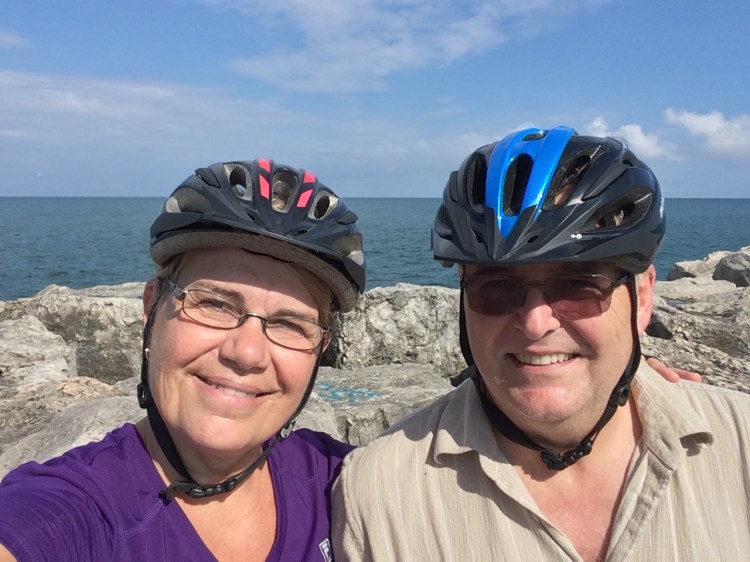
Gene, and I are setting off on yet another adventure: bicycling the East Coast Greenway Trail from Key West, Florida to Calais, Maine. Feel free to follow our journey at https://fb.me/2OldFolksOnBikes. I’ll keep you posted occasionally here, as well, sharing photos, experiences and insights from our travel up America’s historic coast. We’re sure to have plenty of amazing stories to tell!

Godspeed,

Barb